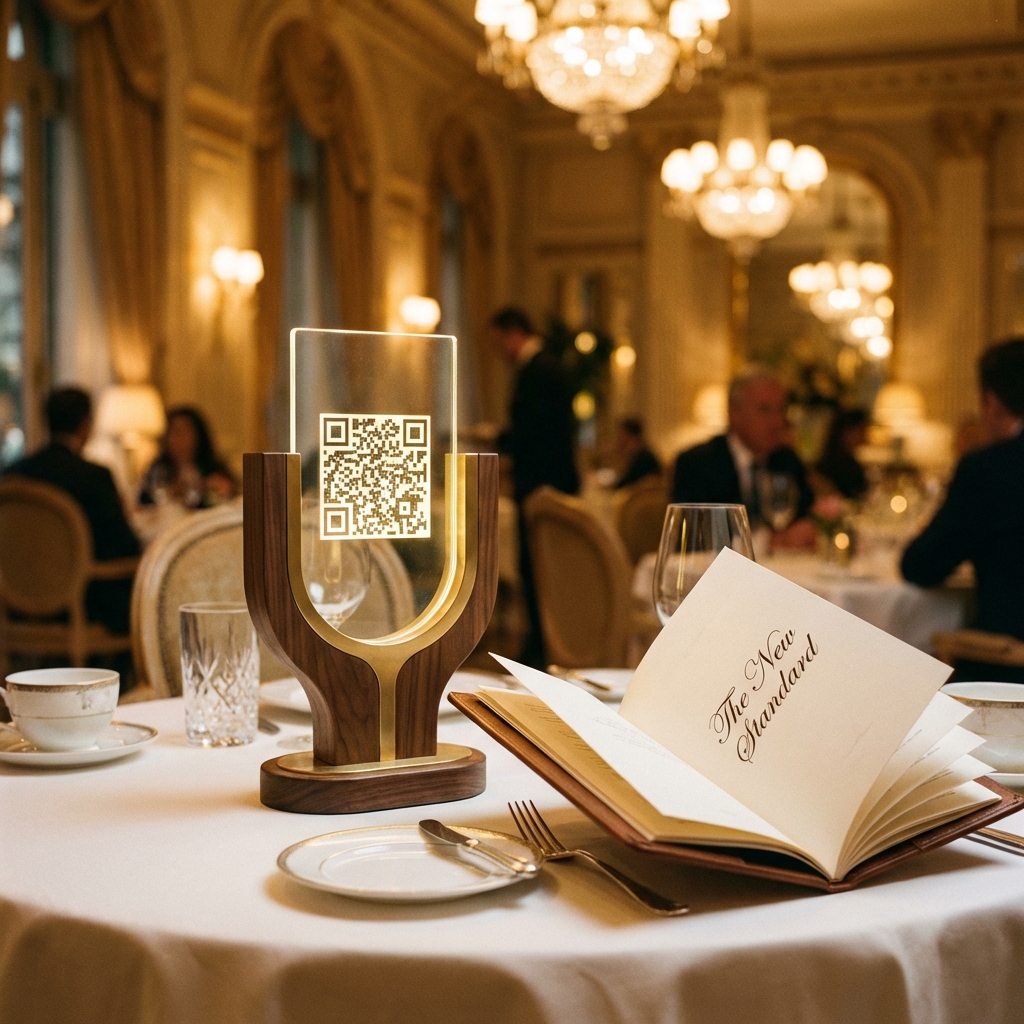
Printing Menus is Wasting Your Money: The Sustainable, Cost-Effective Alternative
Is your restaurant still living in the paper age? While there’s a certain tactile charm to a well-designed physical menu, the operational and financial costs of printing are becoming harder to justify in a modern, dynamic dining environment.
From daily specials to seasonal changes and fluctuating ingredient costs, the physical menu is a static relic in a world that demands agility.
The Hidden Costs of Paper Menus
Many restaurateurs underestimate the true impact of paper menus on their bottom line. It’s not just the paper and ink ; it’s the entire lifecycle.
1. The Printing Bill
A mid-sized restaurant can easily spend £2,000 - £5,000 annually on professional menu printing. Every time a single item price changes or a vintage is sold out, you're faced with a choice: use messy stickers or reprint the whole batch.
2. The Waste Factor
According to sustainability studies, the hospitality industry produces millions of tonnes of paper waste each year. Switching to digital is one of the easiest ways to improve your property's "Green" credentials—a factor increasingly important to modern diners.
3. Missed Upsell Opportunities
Physical menus are limited by their layout. If you want to promote a high-margin cocktail or a limited-time chef's special, you're restricted by the existing design.
The Modern Alternative: MenuGo Digital QR Menus
The solution isn't just "showing a PDF." It’s about creating an interactive experience. Professional platforms like MenuGo provide a dedicated QR code solution that transforms how guests interact with your offerings.
Why MenuGo Beats the Competition:
- Instant Updates: Change prices, add items, or mark things as "Sold Out" in seconds from your phone.
- Rich Visuals: Paper limits you to text. MenuGo allows for beautiful, high-resolution photos that entice the palate.
- Interactive Allergens: Guests can filter by dietary requirements (Vegan, Gluten-Free, Nut-Free) without having to quiz the server.
- No App Required: Guests scan and see the menu instantly in their mobile browser.
The ROI: A Case Study
Imagine a resort with three dining outlets. By switching to MenuGo, they eliminated a monthly printing cost of £400 and saw a 15% increase in dessert sales simply by adding high-quality images to their digital dessert menu.
Integrating Digital Menus with Tagnovate
For hotels and resorts, your restaurant menu shouldn't live in isolation. By using Tagnovate to create a comprehensive digital guest hub, you can link directly to your MenuGo menus from:
- In-room digital concierges.
- Poolside NFC table tents.
- Lobby information kiosks.
This holistic approach ensures that no matter where the guest is, they are only one tap away from placing an order.
Conclusion
The transition from paper to digital is inevitable. It saves money, protects the environment, and enhances the guest experience.
Ready to make the switch? Head over to MenuGo.live and set up your online digital QR code menu in minutes.
Want to learn more about hospitality tech? Read our post on reducing front desk calls or discover how to drive more direct bookings.
Tags
Ready to transform your link-in-bio?
Join thousands of creators using Tagnovate's AI-powered platform to engage visitors and boost conversions.
Start Free Trial